Technological frontier
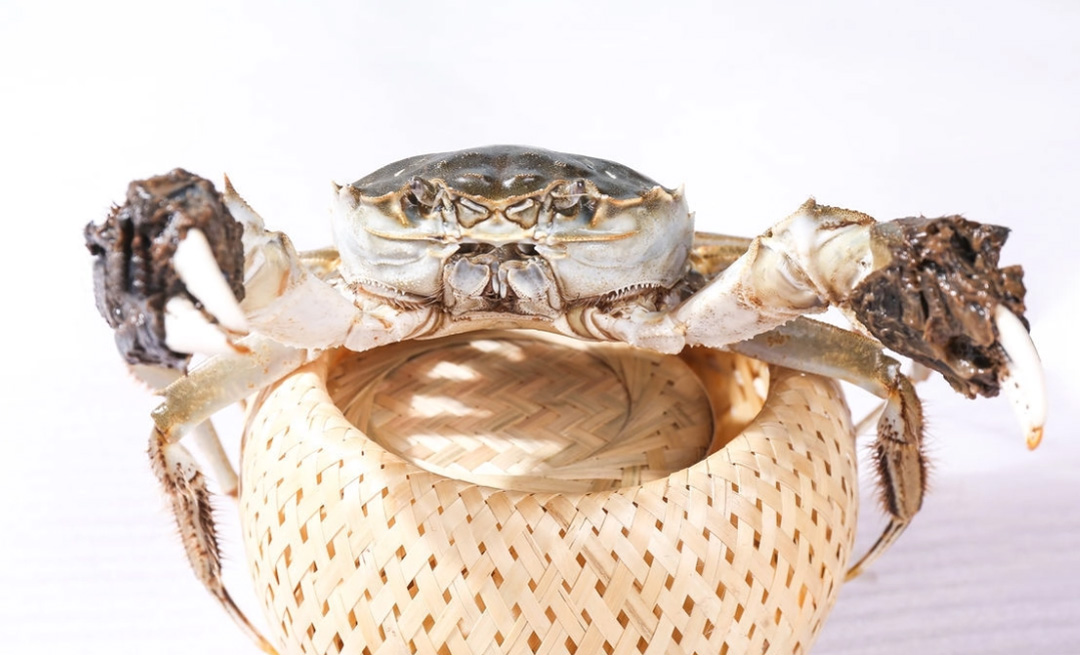
Crab Spiroplasma sinensis
Chinese mitten crab, commonly known as river crab, is popular among consumers because of its delicious taste and has important economic value. However, with the expansion of the scale of river crab farming, the disease problem is also becoming more and more serious, especially the river crab tremor disease is very common and the harm is also very serious. , This disease is also known as "shivering disease", "ring claw disease", "scratching foot disease", etc. It is named after the diseased crab's feet show intermittent spasm-like shaking during the onset. In 1994, the shivering disease of river crab broke out for the first time in Jiangsu, and soon spread to various breeding areas of river crab. Let us briefly understand its pathogens, symptoms and prevention methods.
1. Pathogen
The research team of Professor Wang Wen of Nanjing Normal University found that the real pathogen causing shivering disease in river crabs is Spiroplasma sinensis. Spiroplasma sinensis belongs to the Bacteria, Firmicutes, Mollicutes, Entomoplasmatale, Spiroplasmataceae, is a family of A very special kind of bacteria. In recent years, Spiroplasma pathogens have been found in aquatic crustaceans such as river crab, Crayfish, Penaeus vannamei, Macrobrachium rosenbergii, Macrobrachium japonicus, and marine aquacultured Penaeus vannamei, and they all belong to the same species. It also shows that the spiroplasma pathogen can be cross-infected and spread among different aquatic crustacean species, and it is highly infective. It can infect the connective tissue of all organs of the Chinese mitten crab, and in severe cases can lead to the death of the host, causing serious losses to the Chinese mitten crab aquaculture industry.
2. Symptoms
The epidemic time of shivering disease in river crabs is from late May to early October, and the peak period is from August to September. The onset water temperature is 25-39°C, and the prevailing water temperature is 25-35°C. After October, the water temperature drops below 20°C, and the disease is rare. In the early stage of the disease, the diseased crabs have reduced or no food intake, difficulty in molting, and reduced activity or coma. With the development of the disease, the tips of the claws turn yellow and fall off easily. The chelipeds are drooping and weak, continuous trembling, foaming at the mouth, and inability to crawl. Sometimes it can be seen that the legs of the sick crab are folded, shrinking in the head and chest into a ball, or spreading the tips of the claws to the ground; if the legs are straightened, they will retract immediately after letting go. Anatomy of the crab body revealed water accumulation, muscle atrophy, black or yellow gill filaments, swollen triangular membrane, and anorexia in the gastrointestinal tract. It mainly harms second-year-old crabs weighing more than 100 grams, and the incidence of first-year-old crabs is low.

Figure 1 The appendage of the diseased crab showed ring claw symptoms

Figure 2 Black gills of diseased crab, no obvious symptoms in liver and muscle
3. Prevention and control methods
At present, the treatment of river crab tremor disease is mainly focused on prevention. In the first few days of treatment, it is mainly to kill infected crabs and prevent diseased crabs from infecting healthy crabs. Oral administration for health care and improvement of the environment can reduce the number of deaths during the low temperature period, but The incidence of high temperature is difficult to control. It can be prevented by thoroughly cleaning the pond, selecting high-quality crab seedlings, enhancing oxygenation, and reducing the use of irritating drugs such as insecticide and cyanobacteria.
R&D Center: Xing Dongfei



Photosynthetic crab rice home
WeChat | ghxiedaojia
Loving family · Keeping promise · Innovation · Kindness