Technological frontier
Small microalgae big industry
Introduction to industrial cultivation and harvesting of chlorella
The microalgae industry is an important part of the global economy, and Chlorella pyrenoidosa is one of the most important microalgae species. It has extremely high nutritional value and is a natural and balanced nutritional food. It is widely used in Aquatic products, food, health care products, beauty and other fields. The various nutrients it contains have a very good effect on the growth, development and healthy growth of the human body and other aquatic organisms. Therefore, it is very important to choose suitable cultivation and harvesting methods to enable the industrial production of the microalgae industry and promote its sustainability.
At present, there are many methods for culturing Chlorella at home and abroad:
1. The most typical is to cultivate in an open pool. The open culture pool has the characteristics of simple structure, low construction cost and low operating cost, but the shortcomings are also very obvious. The fluctuation of environmental conditions (light, temperature, humidity, etc.) directly affects the open pool. The system's culture conditions cannot realize the control of industrial process and conditions, so it is difficult to obtain high culture efficiency and culture density. These problems are the key to restrict the application of open pool system in the large-scale cultivation of energy microalgae.

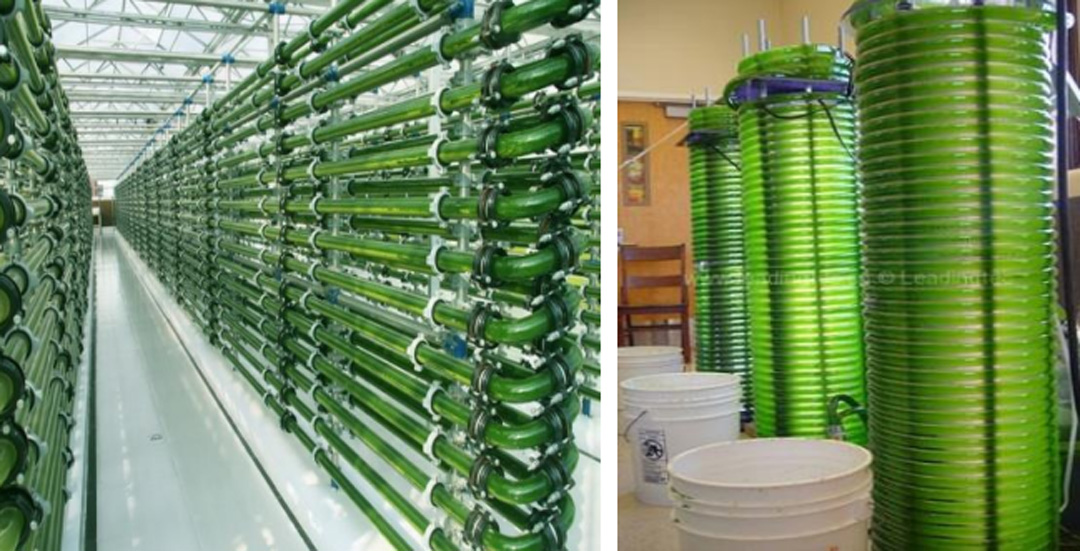
2. Closed photobiosensor cultivation. Currently, the most researched and applied photoreactors mainly include flat plate type, pipeline type, bubble column type, etc. Among them, the pipeline type is the most suitable for outdoor cultivation. Generally, a transparent rigid plastic or glass or plexiglass tube with a small diameter is used to bend it into different shapes to construct, and an air pump or an air lift system is used to realize the circulation of the culture in the tube. Among the many closed photobioreactors, tubular photobioreactors have the fastest development, and there are mainly horizontal tube, spiral coiled tube, annular tube and other forms. The characteristics of the tubular reactor itself make it have a large illumination surface area, but this design makes it difficult to scale up. In the process of expanding the pipeline reactor, if the length and floor space of the pipeline are not changed, the diameter of the pipeline must be increased, and the increase of the diameter of the pipe will lead to insufficient light intensity in the center of the tube. In addition, the control of the temperature in the pipeline is also a problem.
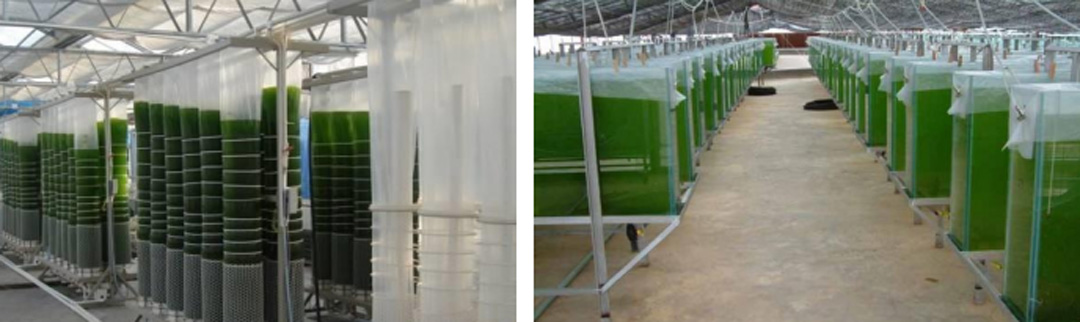
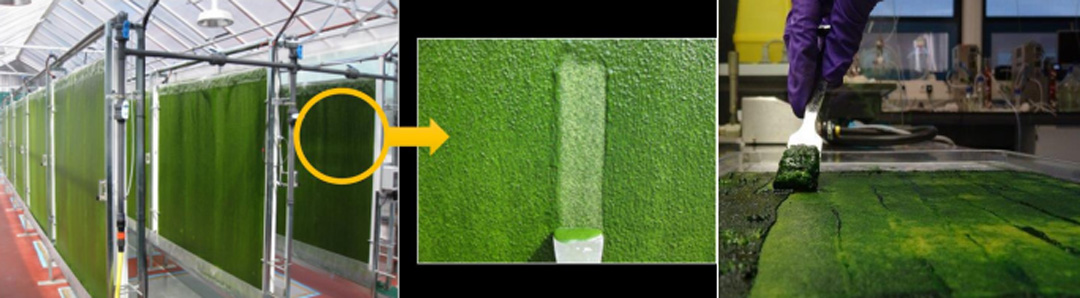
3. Biofilm adherent culture technology refers to a biological culture method that uses physical or chemical methods to confine or fix free microalgae cells with certain activity on a solid surface and keep them active. It is commonly used in the field of sewage treatment. , in order to remove the pollutants of nitrogen salts, phosphorus salts and heavy metal ions in sewage. The biofilm adsorption culture of microalgae solves the problems of large energy consumption and complex process in the process of microalgae culture. Microalgae can form relatively stable biofilms on the surface of solid substrates, and the adsorption rate of algal cells (the ratio of biomass adsorbed on the surface of solid substrates to total biomass) under specific conditions is as high as more than 90%. Biomass can be harvested both by mechanical methods. At the same time, the solid substrate can be reused to realize the systematic production of microalgae.
4. High-density heterotrophic fermentation technology, the heterotrophic culture mode means that some microalgae can absorb and utilize organic matter as a source of energy and carbon skeleton of cells without relying on any light, and absorb nitrogen sources and other inorganic substances to synthesize cells. Heterotrophic culture of microalgae generally uses a closed system, such as a fermenter, and has many advantages over traditional autotrophic production: light-independent and rapid growth, high production rates, high overall process control, and high cell density can reduce the cost of harvesting. The core of heterotrophic fermentation culture of microalgae is to continuously provide nutrients to maintain the optimal growth substrate concentration, temperature, pH and dissolved oxygen of microalgae. The growth of heterotrophic cultured Chlorella cells is closely related to the existence of carbon and nitrogen sources in the culture medium. The lack of carbon and nitrogen sources in the culture medium will seriously inhibit the synthesis of biomass. In order to obtain high biomass production, in the fermentation process Timely supplementation of carbon and nitrogen sources can promote the growth of algal cells.

Methods of chlorella harvesting
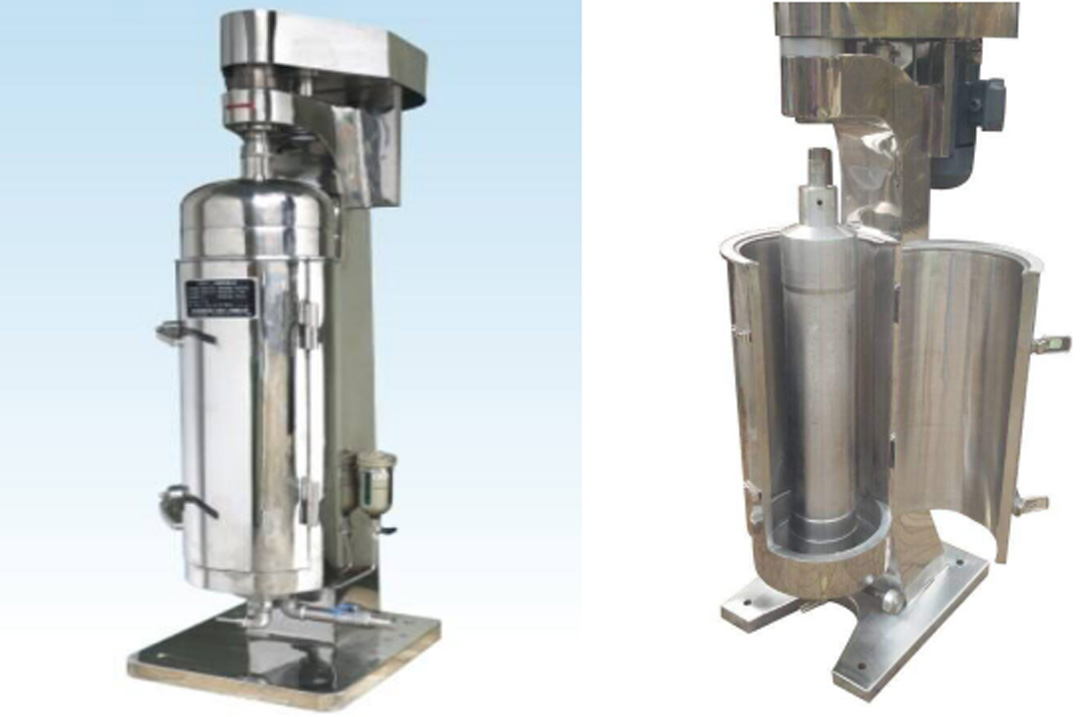
1. The traditional harvesting process is centrifugal separation. There are two types of centrifugal processes. One is the disc centrifuge, which is used to produce concentrated liquid with high water content and spray-drying powder. The other is a high-speed tubular centrifuge, which produces algae paste with low water content, which is convenient for storage and transportation and reduces drying costs. Among them, the cost of harvesting chlorella using a tubular centrifuge accounts for 80% of the direct cost, and the harvest is expensive.
2. Membrane filtration technology, membrane filtration is a green and pollution-free environment-friendly technology. At present, the research on membrane filtration at home and abroad is to use various membranes as materials such as polyester filter cloth, etc., and carry out various modifications such as polydopamine membrane, polyethyleneimine membrane, and polyvinyl alcohol membrane, which are applied to the chlorella filter device. .
3. The flocculation method can be divided into two categories: "additional flocculant method" and "spontaneous flocculation method". The external flocculant method can be divided into inorganic flocculant method (metal salts), organic polymer flocculant method and biological flocculant method according to the type of flocculant used. Spontaneous flocculation is divided into high pH-induced spontaneous flocculation and extracellular polymer-induced spontaneous flocculation. Metal salt flocculants (aluminum salts, iron salts) have not become the main development direction of microalgae flocculation due to the disadvantages of large dosage, toxicity to algal cells and influence on the subsequent utilization of algal cells. Among the organic polymer flocculants, polyacrylamide has poor flocculation effect on microalgae and may release toxic acrylamide monomers, so its application prospect is limited. Chitosan has a high flocculation efficiency, but the pH of the flocculation is generally acidic, which is beyond the normal range of microalgae culture and has great limitations. Cationic starch can be obtained in large quantities in raw materials, with low price and very small dosage, excellent flocculation effect and basically not affected by pH, and has great application potential.
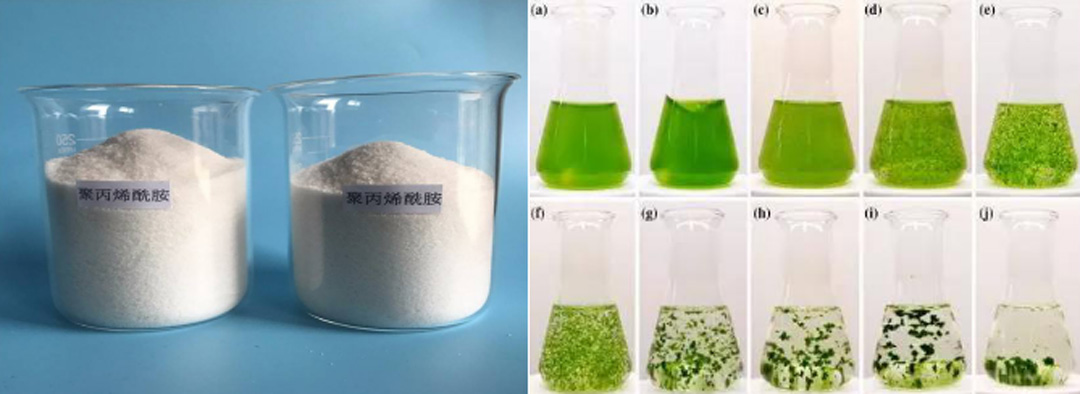
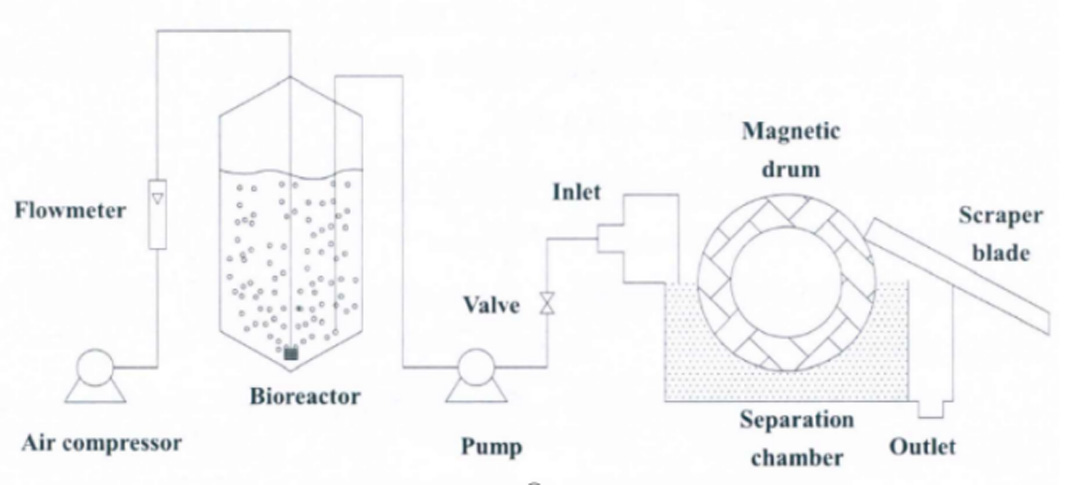
4. Magnetic separation technology, the harvesting of microalgae first uses a magnetic medium to capture microalgae cells, and then under the action of an external magnetic field, the microalgae cells captured by the magnetic medium can rapidly settle to achieve the separation of microalgae cells. In the harvesting of microalgae, magnetic separation shows the advantages of high separation efficiency, fast separation speed, and low energy consumption, and has good application prospects. At present, the general magnetic flocculants include CPAM-Fe3O4 magnetic flocculants and Fe3O4 magnetic nanoparticles. The flocculation process is usually based on four mechanisms of action, namely electric neutralization, compressed electric double layer, sediment net capture and adsorption bridge action. After the outdoor cultivation of microalgae is completed, a certain amount of magnetic flocculant is directly added to the culture solution in the reactor, and the mixture is aerated and mixed. Then, it is directly connected to the magnetic separator, and the liquid inlet is controlled by adjusting the opening of the valve to measure the separation effect under different flow rates. After the mixed liquid enters the separation tank, the microalgae-flocculant is adsorbed on the magnetic drum. As the motor drives the magnetic drum to rotate, the flocs are continuously scraped and collected by the scraper, and the culture liquid is discharged from the discharge port at the bottom. . The following figure shows the flow chart of magnetic separation.
R&D Center: Ma Qingbin

Scan QR code | Follow us
WeChat ID : ghxiedaojia
This is a public account with a soul