Technological frontier
Introduction and application of aquaculture probiotics
Micro-ecological preparations, under the guidance of micro-ecological theory, interact with the normal flora of the digestive tract of the host, participate in the whole process of animal growth, development, digestion and absorption of nutrients, and the occurrence and development of various functions, maintain the micro-ecological balance, and improve the host. A general term for healthy levels of exogenous beneficial microorganisms and their metabolites and preparations of substances that selectively promote the growth of the normal flora of the host. Aquatic micro-ecological preparations are live bacteria preparations made from microorganisms and metabolites in aquatic animals through special processes. Aquatic micro-ecological preparations can not only reduce water pollution, purify water, but also inhibit and kill pathogenic microorganisms. It can supplement nutrients, reduce excrement pollution, improve animal survival rate, production performance and product quality, and has the characteristics of health care, growth promotion, and no toxic side effects.

There are many classification methods of probiotics, and there are different classification methods according to different classification basis. According to the material composition of probiotics, they are classified into probiotics, prebiotics and synbiotics. At present, the types of probiotics commonly used in aquaculture include Vibrio, Pseudomonas, Bacillus, yeast and some lactic acid bacteria, which are mainly used in aquaculture in the form of water quality improvers or feed additives. According to the composition of the bacterial strains constituting the microecological preparation, it can be divided into two categories: single bacterial agent and compound bacterial agent. A single inoculum is composed of only one type of live bacteria, while a compound inoculum is composed of two or more types of live bacteria. According to the purpose of use, aquatic microecological preparations can be divided into growth-promoting preparations, immune-promoting preparations, antibacterial preparations, and water-adjusting preparations.
Types of common probiotics
1. Photosynthetic bacteria
Photosynthetic bacteria are photoheterotrophic bacteria widely distributed in lakes and soils. Under anaerobic and light conditions, it can decompose small molecules of organic matter in water to obtain carbon source, carry out photosynthesis (without producing O2), and complete its own growth and reproduction. When the water temperature is 28℃~36℃ and the pH is slightly alkaline (7.5~8.5), the photosynthetic bacteria grow better. It has obvious effect on shallow pools with high concentration of organic matter, poor bottom quality and certain transparency. Since photosynthetic bacteria products are mostly live bacteria liquid, in order to ensure the effect of use, attention should be paid to using fresh bacteria liquid as much as possible to ensure the number of live bacteria.
2. Nitrifying bacteria
Nitrifying bacteria are a class of chemoautotrophic bacteria that are widely distributed. NH4+-N and NO2--N in aquaculture water can be converted into non-toxic NO3--N under the action of nitrifying bacteria.
3. Lactic acid bacteria
Lactic acid bacteria are chemoheterotrophic bacteria, spherical or rod-shaped bacteria without spores, which are widely distributed in nature. It is resistant to acid and heat, and can secrete organic acids such as lactic acid, which can promote the digestion and absorption of nutrients such as protein, and indirectly promote the growth of aquaculture animals. As one of the most commonly used micro-ecological preparations, the application of lactic acid bacteria in aquaculture can not only improve the environment of aquaculture waters, but also improve the immunity of aquaculture animals and reduce the occurrence of diseases. Judging from the current research reports, lactic acid bacteria play a great role in the immune regulation of aquaculture animals, significantly improve the immune function of aquaculture animals, and have a good effect on pathogenic bacteria.

4. Bacillus
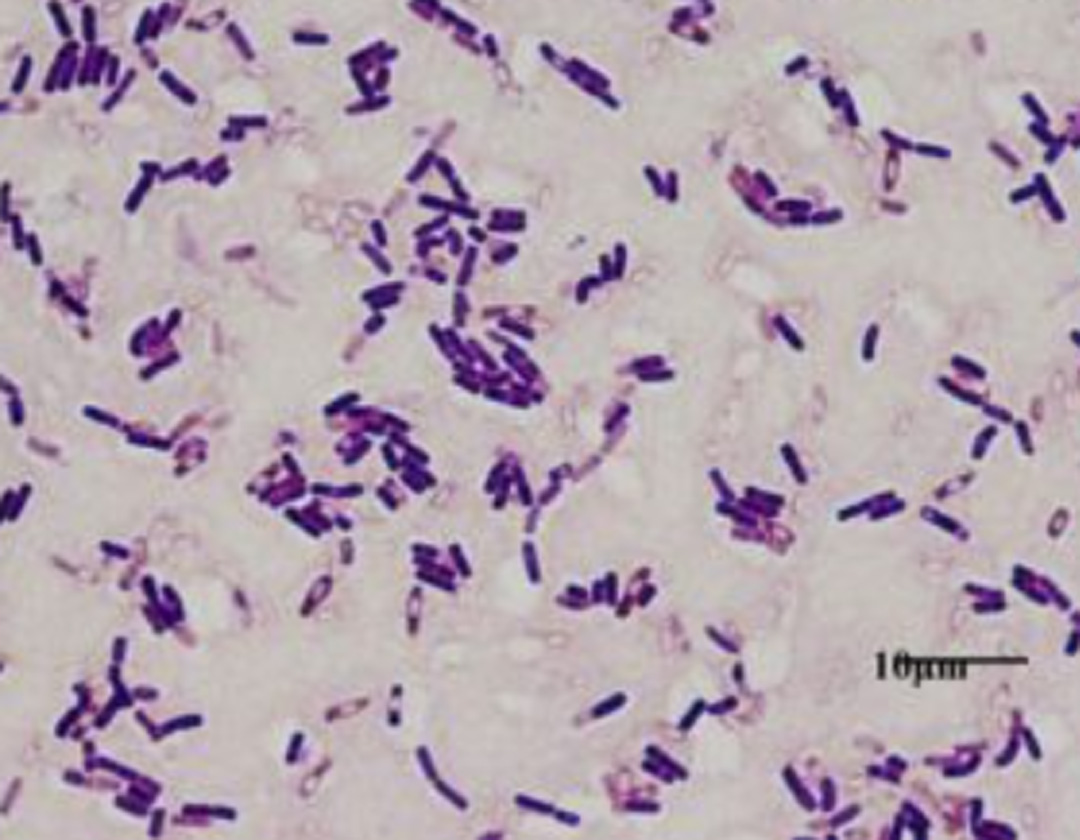
Bacillus is widely distributed in lakes, oceans, polar regions and soils. It can produce spores in adversity and survive in high temperature and strong stimulation environments. During its growth, it can metabolize a variety of highly active digestive enzymes and bacteriostatic substances, which can promote the growth of aquatic animals, inhibit the growth of pathogenic bacteria, and reduce the pollution degree of aquaculture water. Bacillus can secrete many enzymes that degrade mucus and biofilms, allowing Bacillus and the antibiotics it produces to penetrate into the mucus layer of Gram-negative bacteria; in addition, Bacillus competes with other bacteria for nutrients and inhibits its rapid growth. Based on the above functions, and the characteristics of Bacillus in the production process, Bacillus preparations are becoming a hot spot in current research and production applications.
5. Leech Vibrio
Leech vibrio is widely distributed in natural waters, sewage, and soil. It can prey on other bacteria, and can also lyse other bacteria through parasitism to control the reproduction of harmful bacteria. It is the main biological reason for the natural disappearance of pathogenic bacteria in aquaculture water environment.
6. Yeast
Yeast is widely distributed in soil, freshwater, ocean, animals and plants, and is a typical facultative anaerobic microorganism. The bacteria itself contains a variety of amino acids, vitamins and active factors and other substances, which can promote the growth of aquatic animals.
7. Compound probiotics
The compound microecological preparation is a live bacterial preparation composed of two or more strains by proportioning, and has both aerobic and anaerobic metabolism mechanisms. It can effectively reduce NH4+-N, NO2-N and other toxic substances in the breeding system; in the process of its growth, it can also secrete a variety of enzymes, which can synergistically promote the digestion and absorption of the bait by the breeding animals, thereby increasing the weight gain rate of the breeding animals. . For example, EM bacteria is a kind of fermentation to control the proportion of effective microflora, and then decompose it to decompose the beneficial microorganisms, so that the beneficial bacteria can co-exist to form a collective complex microflora species.
Application in aquaculture
1. Improve the water quality. When the environmental conditions of the aquaculture water deteriorate, the harmful bacteria multiply, and it is easy to cause diseases caused by the aquaculture animals. If probiotics are used in time, because of their high microbial activity, they can multiply rapidly after use and become the dominant species. It not only competes and repels harmful bacteria and maintains the ecological balance of water microbial flora, but also produces antibacterial substances and various immune-promoting factors, activates the body's immune system, and enhances the body's disease resistance. At the same time, after the beneficial bacteria in the micro-ecological preparations enter the water body, they quickly decompose the organic matter such as the excrement, bait, animal and plant remains of the farmed animals, effectively reducing the concentration of ammonia nitrogen and nitrite in the water body. It can carry out photosynthesis, thereby supplementing the dissolved oxygen in the water body and improving the water quality.
2. In vivo microecological improver, which is added to the feed to improve the composition of the microbial community in the breeding object and improve the disease resistance of fish. The most used micro-ecological additives are lactic acid bacteria, bacillus, yeast, EM bacteria and so on. After the microecological preparations are added to the feed and fed to aquaculture animals, they enter the digestive tract of the aquaculture animals, inhibit the reproduction of harmful bacteria in the intestinal tract through reproduction, promote the growth and reproduction of beneficial bacteria, and regulate the microecological balance in the body. For example, common lactic acid bacteria can produce lactic acid to lower intestinal pH and inhibit the growth of harmful bacteria. At the same time, beneficial microorganisms can also produce various digestive enzymes to improve feed conversion rate.
The role of microecological preparations in aquaculture has been paid more and more attention by people. It has been reported in fish, shrimp, shellfish and sea cucumber aquaculture, showing certain economic benefits. At present, many water-transferring microorganisms have been developed in China, but they are far from satisfying the increasingly complex water quality situation at this stage. There are still some urgent problems to be solved in theoretical research and application:
The mechanism of action in aquatic animals is not clear; the screening and identification methods of aquatic microecological preparations are still relatively backward, and most of the microecological preparations are derived from animal husbandry. Combination is the key to the manufacture of composite products. Due to the complex synergy and antagonism between microorganisms, how to prepare probiotics with good effects still needs in-depth research and extensive practical testing; It is more difficult, and it is easy to reduce the activity of bacteria; the lack of standardized application methods, inaccurate application methods and dosage applications, etc., affect the use effect of probiotics, and is not conducive to the promotion and application of probiotics in aquaculture; probiotics Survival in cultured animals or in water is one of the key technologies in the application process. When probiotics are put into aquaculture ponds, the survival, growth and stability of bacteria are often difficult to control due to changes in growth conditions. The ecological security issues that probiotics may cause cannot be ignored.
R&D Center: Sun Na

Scan QR code | Follow us
WeChat ID : ghxiedaojia
This is a public account with a soul