Technological frontier
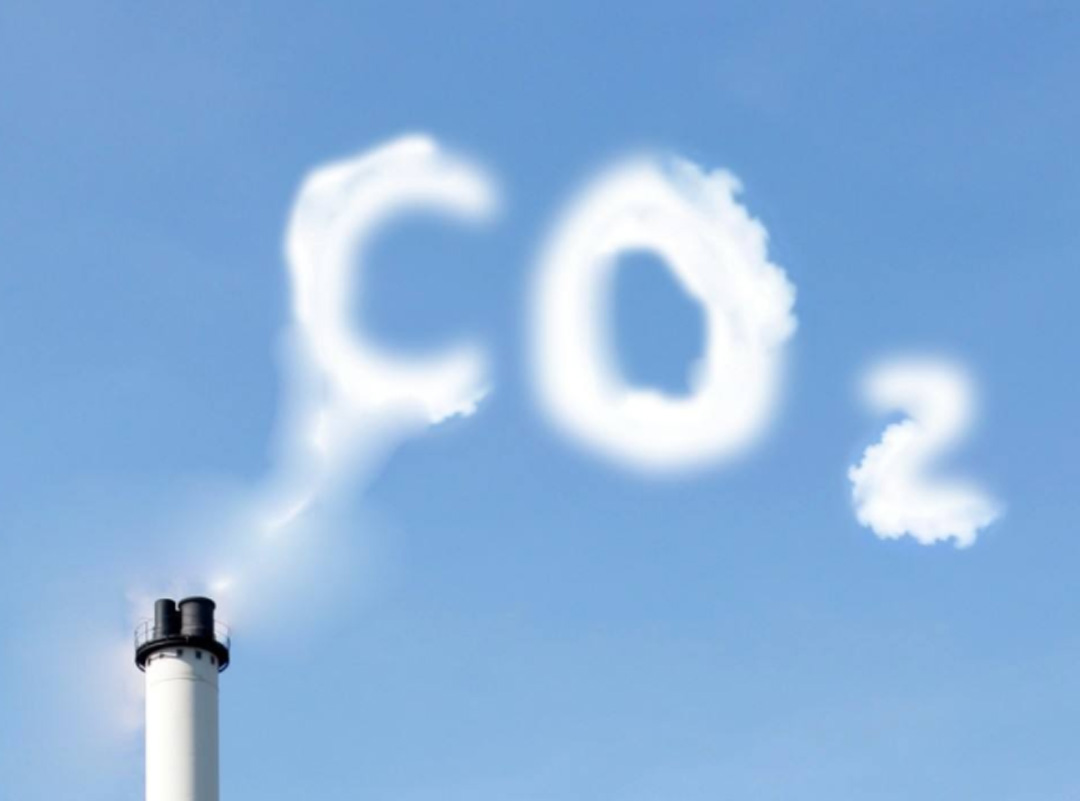
When it comes to greenhouse gases, most people think of CO2, car exhaust, etc., but few know that crops are also one of the main sources of greenhouse gases. Methane (CH4) and nitrous oxide (N2O), which are released during the growth of crops, are the two main greenhouse gases.
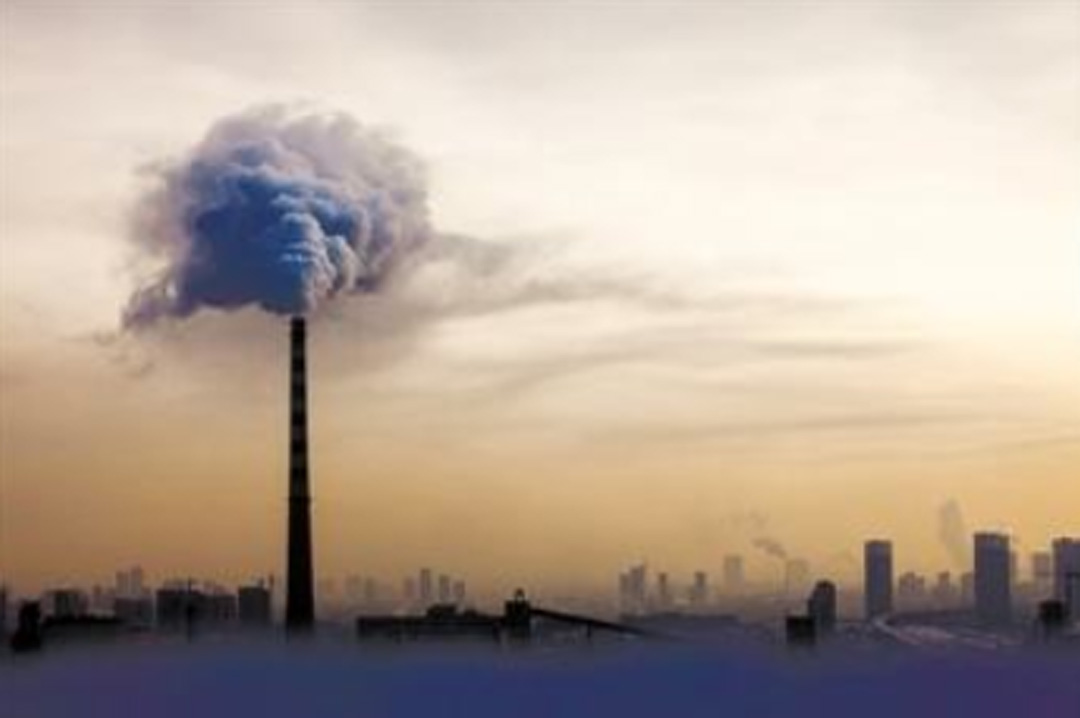
According to the 5th IPCC (United Nations Intergovernmental Panel of Experts on Climate Change) report, the concentration of greenhouse gases such as CH4 and N2O has risen to the highest level in history, and greenhouse gas emissions from agricultural sources account for about 10% of the total global greenhouse gas emissions from human activities. The CH4 and N2O produced by agriculture account for about 50% and 60% of the total global greenhouse gas emissions, respectively. Among them, rice fields are one of the important sources of CH4 and N2O emissions in the atmosphere. my country's rice sown area ranks second in the world, accounting for about 20% of the world's rice area, taking appropriate emission reduction measures to rice fields to reduce greenhouse gas emissions and warming potential is an important issue that needs to be solved to reduce the occurrence of extreme climate disasters and mitigate climate change.
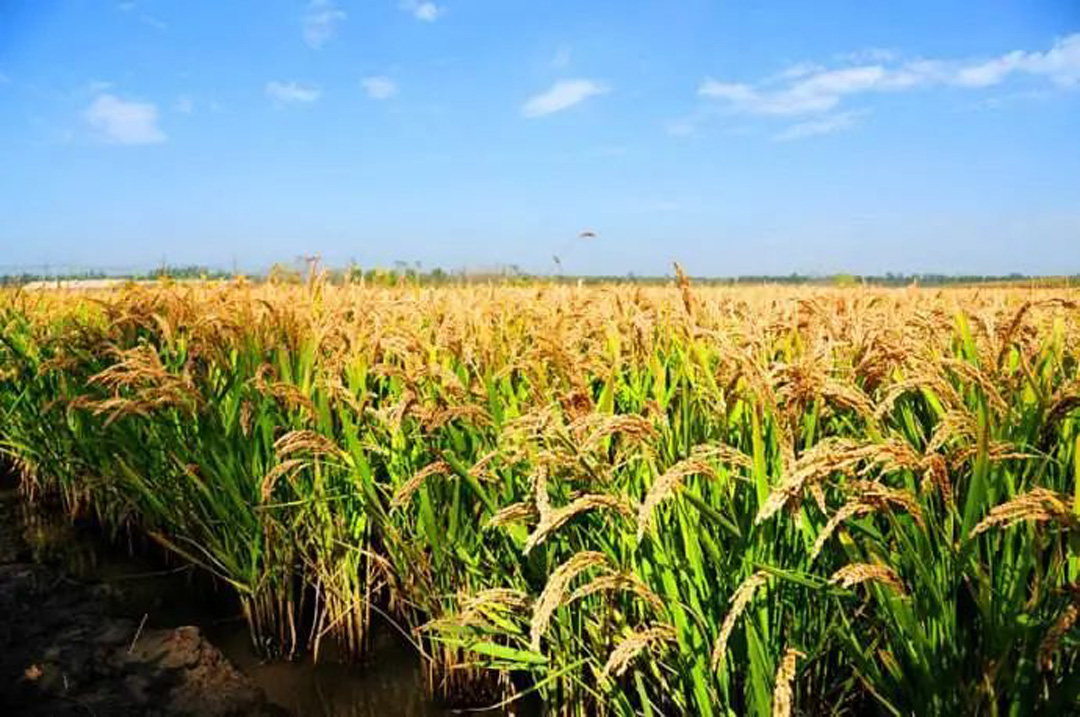
CH4 emissions from paddy fields are divided into three steps: CH4 generation, re-oxidation and transport. CH4 in paddy fields is generated by the decomposition of organic matter by methanogens in the soil under strictly anaerobic environmental conditions. In crab-raising paddy fields, deep flooding before transplanting and insufficient oxygen increase the activity of methanogens in the soil and produce a large amount of CH4. However, it is difficult to release it through bubbles and liquid phase diffusion. However, during the activity of crabs, the sharp claws are Many small holes are left in the soil, which increases the oxygen content of the soil, which can reduce the abundance of methanogens and increase the abundance of methanotrophs, thereby reducing CH4 emissions.
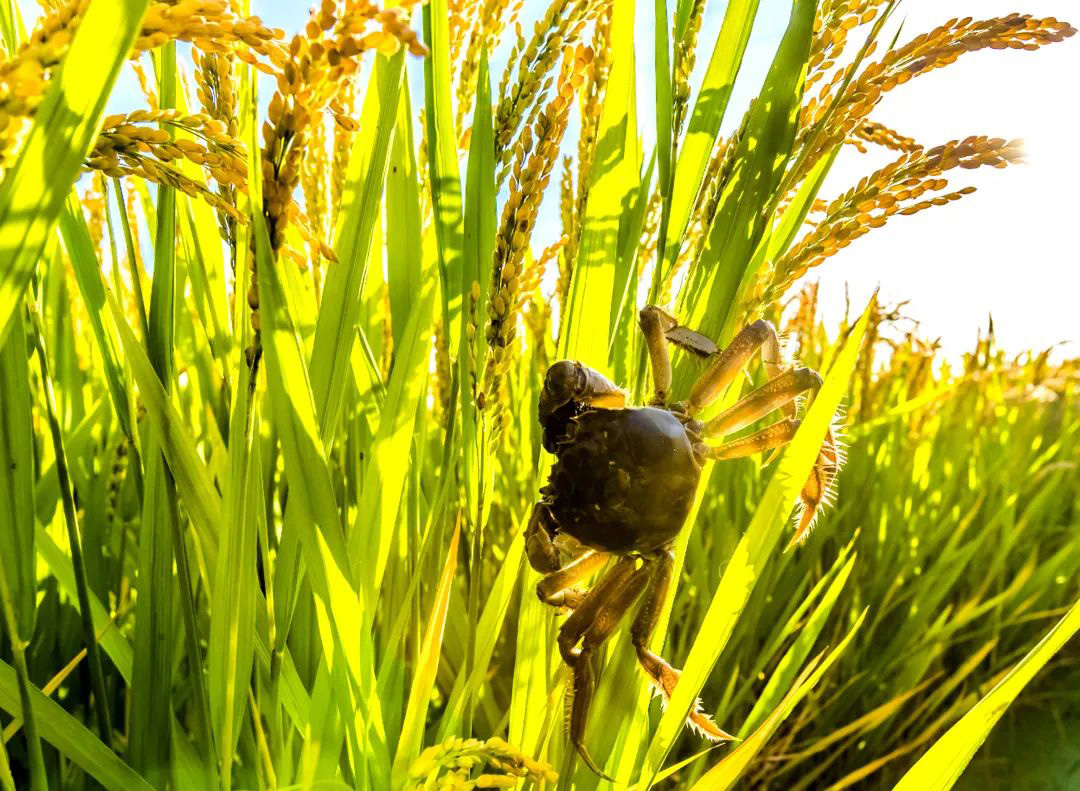
The study showed that compared with rice monoculture, crab farming in paddy field can significantly reduce CH4 emissions, which can be reduced by 38.7% in the presence of aquatic plants and 72.9% in the absence of aquatic plants. Nitrification and denitrification in soil are the main sources of N2O in paddy fields. Under good ventilation conditions, soil microorganisms (nitrifying bacteria) convert ammonium salts into nitrates, and release part of N2O during the conversion process, which is the nitrification process; under poor ventilation conditions, soil microorganisms (denitrifying bacteria) The reduction of nitrate nitrogen to nitrogen gas (N2) or nitrogen oxides (N2O, NO) is the process of denitrification. Compared with conventional rice farming, crab breeding in paddy field can reduce N2O emissions by 56%, and the presence or absence of aquatic plants has little effect on N2O emissions. This is mainly because the crab-raising paddy field has to maintain a certain depth of water level, which limits the direct diffusion of N2O, and because the activity of crabs turbid the water layer and the rice shades the light, the overall level of dissolved oxygen in the paddy field water is low, and the denitrification process is enhanced.
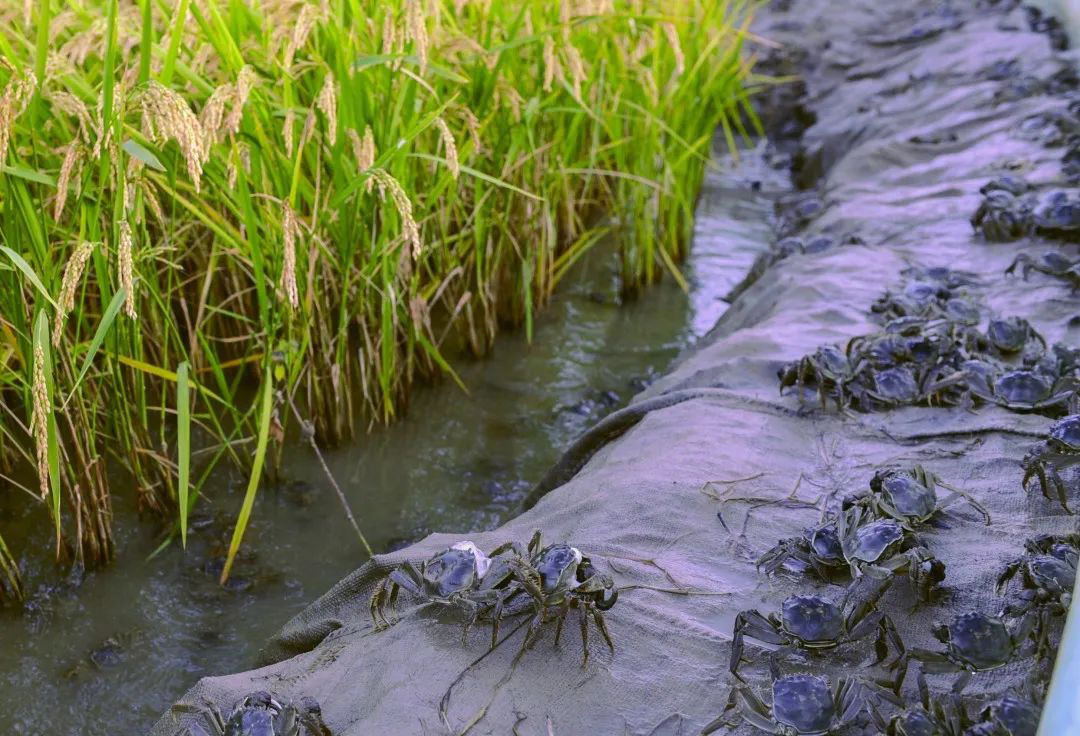
Therefore, it is a technology that can contribute to global greenhouse gas emission reduction, which can produce huge ecological benefits and is worthy of our vigorous promotion.
R&D Center: Zheng Yan

Scan the QR code to follow us