科技前沿
A brief discussion on the resource recovery of bacteria and algae system in sewage treatment system
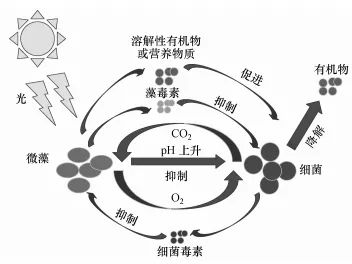
While the microalgae in the bacteria-algae symbiotic system utilize the pollutants in the wastewater, the biomass of the microalgae themselves is also accumulated, and these biomass can be used as the raw material of the resource products, in which the phosphorus can be converted into the microalgal lipid through the system action. It can be used as a raw material for biodiesel; organic matter can be converted into carbohydrates of microalgae through the system, and biofuels such as bioethanol, biohydrogen and biomethane can be obtained under the fermentation of various microorganisms; ammonia nitrogen can be converted into microalgae through systemic action Protein and pigment, microalgae pigment is also a high value-added product. Heavy metal elements are systematically transformed into extracellular polymers of microalgae, and antibiotics can also be transformed into carbohydrates. The harvesting of biomass and the processing and production of high value-added products are the only way for the large-scale application of bacteria-algae symbiosis technology. Studies have shown that post-mechanical and chemical microalgal biomass harvesting for wastewater treatment with microalgae can account for up to 90% of the total cost, mainly for high-value products.
Collection is a critical step for microalgae removal of nutrients, as the concentration of microalgae needs to be maintained at optimal levels, with the removal of nitrogen and phosphorus in the water body and the increase in the concentration of microalgae, proper collection of microalgae can not only collect biomass for subsequent use Utilization can also make the microalgae in a relatively stable state to achieve water purification. Currently, common microalgae collection methods include centrifugation, flotation, sedimentation, and membrane filtration. Centrifugal separation is time-saving, efficient, and has high recovery efficiency, but the energy consumption is much larger, and centrifugal force will destroy the cellular structure of algae. The precipitation method is simple to use and has low energy consumption, but has the disadvantages of large floor space and low recovery rate. Flotation has the advantages of low cost, low space requirements, and short processing time, making it suitable for large-scale applications. However, flocculation is required for both flotation and sedimentation, and the collection of marine microalgae may require more coagulant than that of freshwater algae, which may limit collection in culture ponds. Meanwhile, three typical physical flocculation methods include ultrasonic flocculation and electroflocculation, and chemical flocculation and biological flocculation can also be used to capture microalgae. In addition, the development of new environmentally friendly coagulants will be the main development direction of these two harvesting methods.
Filtration technology separates microalgal cells from water by excluding particle size, thereby avoiding coagulant contamination. Most importantly, this technology enables high retention of microalgae and removal of protozoa and viruses. When harvesting Scenedesmus acuminatus for pilot production, the average algal flux captured by ultrafiltration was only 140 L.m-2.h-1, and the harvesting efficiency of microalgae was lower. At the same time, the high investment cost brought by membrane fouling also limits its application. Therefore, efficient and cost-effective harvesting methods remain a bottleneck for the application of microalgal culture wastes for nutrient removal in the field. Xiao et al. reported that large filter membranes have better antifouling performance and better filtration efficiency. The average flux of multiple filtration cycles in the energy microalgae collection process can reach 1845L.m-2.h-1, which is 30 times that of ultrafiltration. The study also found that flocculation-macrofiltration can meet the average flux of more than 2160,000 L.m-2.h-1. Since biomass will be used as aquafeed, chitosan can be used as the preferred coagulant. In conclusion, the optimized operation strategy of chitosan coagulation-macrofiltration harvesting can further improve the filtration efficiency of microalgae and provide a better solution for the harvesting of microalgal biomass after nutrient absorption.
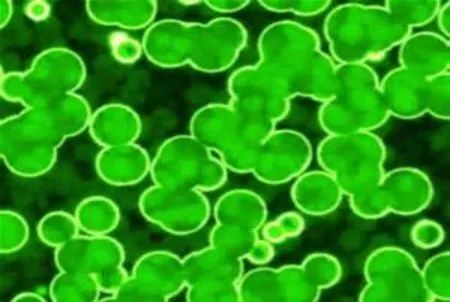
Studies have shown that the presence of bacteria can accelerate the flocculation and sedimentation of microalgae, which is beneficial to the subsequent collection of microalgae. Zhang et al. [82] found that the algal bacterial granular sludge (ABGS) cultured under low light intensity conditions (142±10 μmol.m -2 s-1) had good sedimentation capacity (SVI 30 was 30.9 mL/g). Wang et al. screened Klebsiella sp with high phosphorus accumulation effect from activated sludge, and co-cultured with Chlorella pyrenoidosa to treat sewage. The results showed that the formed symbiotic system enhanced the total phosphorus in effluent. Compared with the pure algae group, the average growth rate and lipid production of Chlorella algae in the bacteria-algae system were increased by 13.6% and 90.1%, respectively. In the process of aquaculture, zooplankton is often used as biological bait, and microalgae are high-quality bait for zooplankton. Therefore, in the treatment of aquaculture tail water, the method of filtering zooplankton bait animals, such as zooplankton and mussels, can be selected. Perform biological harvesting. Microalgae combined with filter feeders can remove up to 68% of total nitrogen and 56-67% of total phosphorus. Microalgae, as the vegetative organisms at the bottom of the aquatic animal food chain, have achieved zero-cost resource recycling through this method.
R&D Center: Sun Na

Photosynthetic crab rice home
WeChat public account
ghxiedaojia
Scan the code to follow me


