Technological frontier
Several reasons for burning shrimp muscles
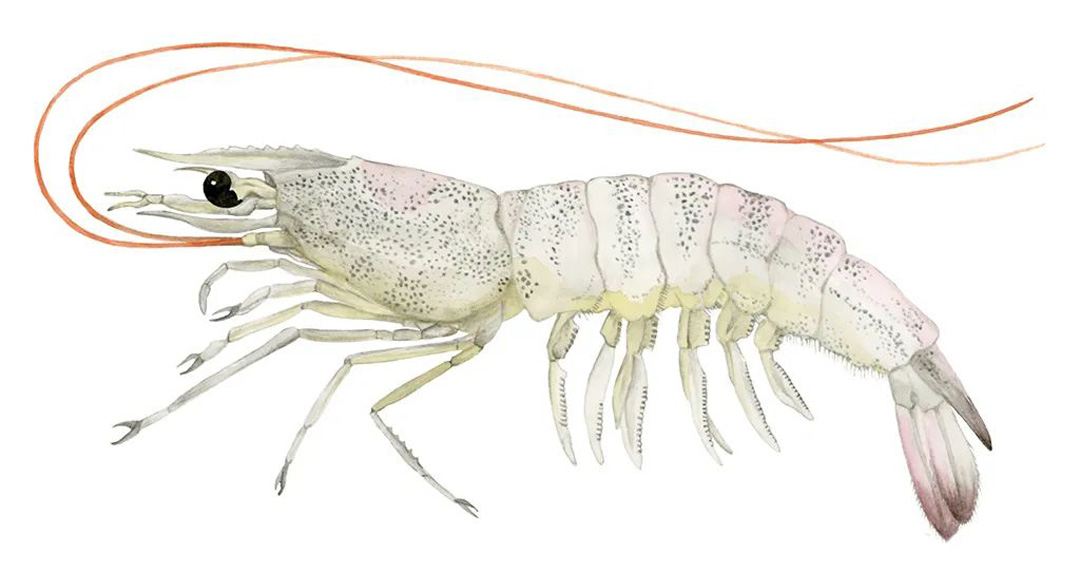
In the past two years, the muscle white turbidity disease of the factory-farmed Penaeus vannamei in the Bohai Bay area of Liaoning region has been rampant, and the shrimps have been raised to about 100 heads/catties, which has caused huge economic losses to farmers and enterprises. Shrimp muscle burn has also appeared in the breeding process before, but it does not cause a large number of deaths. This article briefly analyzes several causes of muscle burn.
1. Caused by a virus
Some shrimp are caused by viruses, and possibly IMNV (infectious myonecrosis virus) in high salinity waters. When shrimp contract the disease, there are signs of muscle damage in the tail, which then spreads throughout the body and has a fairly high mortality rate, which can be as high as 40% to 100%, especially in high-density factory ponds . So far, there is no effective treatment, and farmers have mainly adopted a comprehensive disease prevention measures, such as: not using disease-infected broodstock in hatcheries; removing diseased shrimp from ponds; And well managed in a pond environment, try not to use open sea water.
Second, the temperature factor
In order to check the feeding situation of shrimp, farmers often have the habit of lifting the feeding table out of the water, so that the shrimp hidden in the feeding table will jump up suddenly. Once exposed to high temperatures, some shrimp will bend their bodies, their tails can even bend to the breastplate, and the muscles that run along the body will turn milky white. When the shrimp are put back into the pond, the bent-bodied shrimp die because they can't recover. Likewise, when inspected with a cast net in hot weather, a large number of shrimp with cloudy muscles and bowed bodies appeared. To reduce this phenomenon, farmers should not use feed tables or cast nets to inspect shrimp in ponds during hot weather.
In addition, the phenomenon of shrimp body bending often occurs when farmers turn off all aerators and then turn on the aerators again. Because this is easy for shrimps to be "scared", many shrimps will jump to the water surface and follow along the The pond forms a "wave" like run. When some shrimp jump on the water, exposure to the air can cause their bodies to bend and turn white. This phenomenon usually occurs at midnight and is more likely to occur when the weight of each shrimp is 10 grams or more. Many farmers often do not pay attention to this phenomenon, and the dead shrimp are not found in the pond until the next day.
This phenomenon also often occurs when the weather is sunny and the ponds are overgrown with algae. For example: dinoflagellates growing in high density give the water a reddish-brown color and weaken the shrimp. To prevent this from happening, farmers should not turn off all boosters for any reason and should keep at least one aerator active, even when feeding shrimp.
Three, when the pond is adjusted and divided, the shrimp are frightened
When farmers trawl shrimp or move them to new ponds, many shrimp are impacted and some or all of their muscles turn opaque white, or sometimes a mixture of white and black, or have abnormal body surfaces Color, for example: orange or pink. Most shrimp with this abnormal color will die within a short time, other shrimp with mild symptoms, if they want to recover, it will take a few days for the body color to return to normal.
As a best practice, check the health of the shrimp before moving them to a new pond. If you start transferring shrimp and notice some of them turning milky white, you should stop. At the same time, the water temperature in transporting shrimp must be 24-25 degrees Celsius and high oxygen content (5 mg/L or higher), so as to improve the survival rate of the sub-pond.
Fourth, dissolved oxygen is at a lower level
If enough aerators are not installed to match the number of shrimp in the pond, it is easy to keep the dissolved oxygen level in the pond at a low level. According to our experience, each 3 kW aerator can provide enough oxygen for 400-500 kg of shrimp at most (of course, it affects the level of dissolved oxygen, and many aspects should be considered, such as: day and night, water depth, etc., of course , you can also use a professional dissolved oxygen measurement tool to measure.), so, you should install enough aerators to provide dissolved oxygen for the shrimp in the pond.
In addition, the location of the aerator is also very important. Installing the aerator in a suitable position will make the water body form a flow along the middle of the pond, which is convenient for the pond waste to be discharged through the central sewage outlet, so that the bottom of the pond is always kept clean. At the same time, it is beneficial for the diffusion of dissolved oxygen to every part of the pond, especially in the middle of the pond, the diffusion of dissolved oxygen is beneficial, and the organic matter accumulated in the dead algae and excess feed is decomposed by bacteria. At the same time, we should also know that the increase in the amount of organic matter decomposition during the breeding process is an important reason for the decrease in the dissolved oxygen content in the water. At the same time, the accumulated organic matter in the pool will be decomposed by bacteria, but the activity of bacteria also requires a lot of dissolved oxygen.
When it's cloudy or rainy for days on end, the pond algae won't be able to photosynthesize well and won't produce as much dissolved oxygen. In addition, every organism (including shrimp, algae and microorganisms) living in the pond consumes dissolved oxygen all the time, and the dissolved oxygen in the water body will be uneven and low, especially if there is no regular water change and high temperature. Density farming ponds. When there are many shrimp, farmers have to provide a lot of food, and the color of the pond water can become very dark due to the dense algae growth.
According to research from the Laboratory of Aquaculture Business Research Center, Kasetsart University, Thailand: If the dissolved oxygen content in shrimp ponds is 4 mg/L or more, the body color of shrimp is normal light color; high density and low dissolved oxygen ponds will cause Shrimp are affected by stress and their bodies can become whiter or more opaque. When the oxygen level dropped to 1.7ppm, the shrimp would swim to the surface and most would die from shelling. So, you should let the aerator provide enough dissolved oxygen to the pond so that the shrimp can breathe better and grow faster.
5. Shrimp lacks minerals
Lack of some essential trace minerals, such as Ca (calcium), Mg (magnesium), P (phosphorus), Mn (manganese)... These are the lack of pigment formation in the shrimp muscles, causing the muscles to be cloudy and causing the shrimp to bend their bodies The main reason for not being able to straighten. Therefore, farmers need to provide minerals for them from the beginning of farming, and pay attention to the supplementation of minerals during farming.
The above are the 5 reasons for the white turbidity of shrimp muscle. When we find that the shrimp has muscle white turbidity symptoms, we should take timely and effective treatment measures according to the specific situation, so as to avoid losses to the greatest extent.
Production Center: Xi Wenqiu

Guanghe crab rice home
WeChat ID : ghxiedaojia
This is a public account with a soul
▇ Scan the code to follow us


